How to Store Research Peptides Properly
Estimated time: 5 minutes to set up | For research purposes only
Proper storage is critical to maintaining the stability, purity, and bioactivity of research peptides. Incorrect storage conditions are the most common cause of peptide degradation in laboratory settings. This guide covers best practices for storing both lyophilized (freeze-dried) and reconstituted peptide solutions.
Lyophilized (Powder) Storage
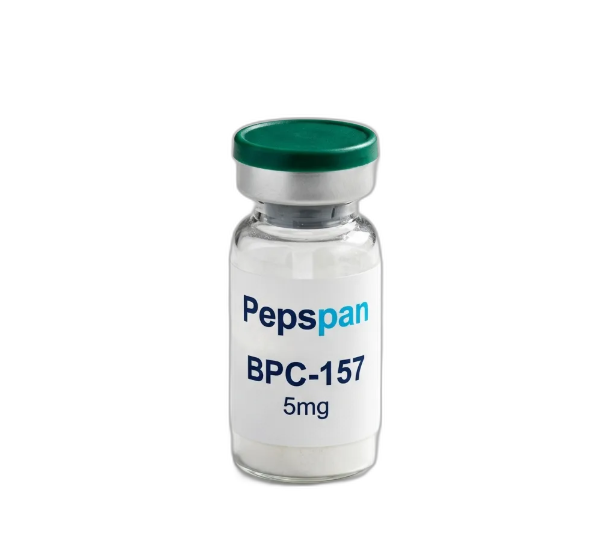
Lyophilized peptides are the most stable form:
- Temperature: Store at -20°C (standard freezer) for long-term. Room temperature acceptable for short periods only.
- Light: Keep away from direct sunlight and UV light.
- Moisture: Lyophilized peptides are hygroscopic. Keep sealed until reconstitution.
- Shelf life: 2+ years at -20°C. 6-12 months at 2-8°C.
Reconstituted (Liquid) Storage
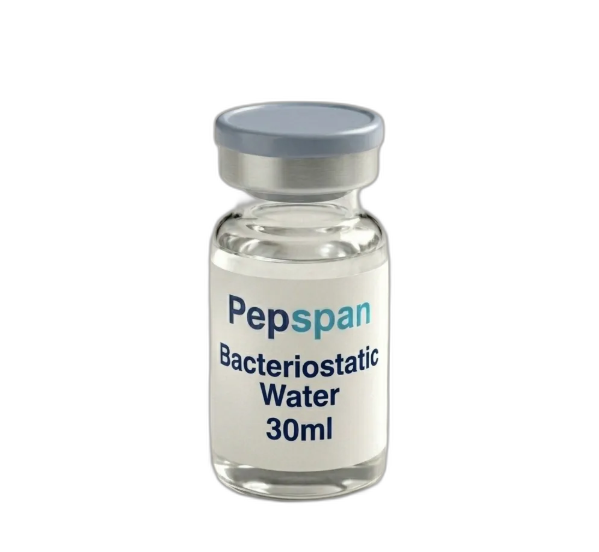
Once reconstituted with bacteriostatic water:
- Temperature: Refrigerate at 2-8°C.
- Shelf life: 30 days with bacteriostatic water. 24-48 hours with plain sterile water.
- Freezing: Generally not recommended. Aliquot into single-use portions if needed.
- Handling: Use sterile technique. Clean stopper before each use.
Storage Quick Reference
| Form | Temperature | Shelf Life |
|---|---|---|
| Lyophilized (powder) | -20°C (freezer) | 2+ years |
| Lyophilized (powder) | 2-8°C (fridge) | 6-12 months |
| Reconstituted (bac water) | 2-8°C (fridge) | 30 days |
| Reconstituted (sterile water) | 2-8°C (fridge) | 24-48 hours |
Common Storage Mistakes
- Leaving vials at room temperature
- Repeatedly freezing and thawing
- Using plain water instead of bacteriostatic water
- Opening lyophilized vials without reconstituting
- Storing near strong odors or chemicals
Related Products
Research Disclaimer
This guide is provided for research purposes only. Pepspan products are intended for laboratory research use. They are not drugs, food, cosmetics, or dietary supplements. Not approved for human or veterinary use by any regulatory agency. By using this information, you confirm that you are a qualified researcher and that any products will be used exclusively for legitimate scientific research purposes. All handling must comply with local regulations and institutional safety protocols.